The lights dim, the iconic Marvel Studios logo flashes across the screen, and the familiar fanfare swells. But as the opening scene unfolds, a chilling thought crosses your mind: was this written by a human, or an algorithm? The question of AI’s role in Hollywood, particularly in the creative process of filmmaking, has moved from speculative fiction to a very real, and often contentious, debate. While a fully AI-written and produced Marvel movie might still be a few years off, AI is rapidly becoming an indispensable tool in every stage of film production, from pre-production to post-production.
The recent WGA and SAG-AFTRA strikes highlighted the deep anxieties within the entertainment industry about AI’s potential to displace human talent. While some see AI as an existential threat, others, including prominent directors like the Russo brothers (who famously helmed Avengers: Infinity War and Endgame), view it as a powerful new tool, advocating that “artists need to lead the innovation.” So, where do we stand today? And could an AI really churn out the next blockbuster superhero epic?
AI as a Co-Pilot: From Script to Screen
Currently, AI is primarily functioning as a sophisticated co-pilot, augmenting human creativity rather than outright replacing it. Its applications are vast and span the entire filmmaking pipeline:
- Scriptwriting & Idea Generation: While AI isn’t yet penning Oscar-winning screenplays from scratch, it’s becoming a valuable brainstorming partner. AI-powered tools can analyze thousands of existing scripts to identify successful narrative structures, character arcs, and dialogue patterns. They can suggest plot twists, generate scene outlines, provide alternative dialogue options, and even help overcome writer’s block by offering fresh perspectives. Tools are emerging that can instantly generate loglines, synopses, and treatments, allowing human writers to quickly explore multiple creative avenues.
- Pre-Production Efficiency: Before a single frame is shot, AI can streamline arduous tasks. It can analyze scripts to generate detailed shot lists, create storyboards, and even recommend optimal shooting locations based on script descriptions. AI can also assist with budgeting and scheduling, predicting potential delays and optimizing resource allocation, saving significant time and money.
- Casting Optimization: AI algorithms can analyze vast datasets of actor performances, audience preferences, and past casting successes to predict which actors might resonate best with audiences for specific roles. This data-driven approach can help studios make more informed casting decisions.
- Visual Effects (VFX) & Animation: This is where AI’s impact is already profound and visually apparent. AI is instrumental in creating incredibly realistic CGI characters (like Thanos in Avengers: Infinity War), de-aging actors with seamless precision (as seen in many Marvel films), and automating complex animation processes. AI-driven facial replacement, deepfake-style enhancements, and automatic background generation are becoming standard, making visual effects more realistic and efficient.
- Post-Production Powerhouse: In the editing room, AI is a game-changer. It can automatically identify high-impact scenes for trailers (as IBM Watson did for the movie Morgan), assist with color grading, and ensure continuity across shots. AI-powered tools also enhance sound design by generating unique soundscapes, reducing noise, and precisely mixing audio elements.
- Marketing & Audience Prediction: AI analyzes market trends, audience preferences, and historical data to predict a film’s potential box office success. It can also tailor marketing campaigns to specific demographics and even generate promotional materials like teasers and trailers, all optimized for maximum impact.
The “Marvel” Question: Beyond the Tool
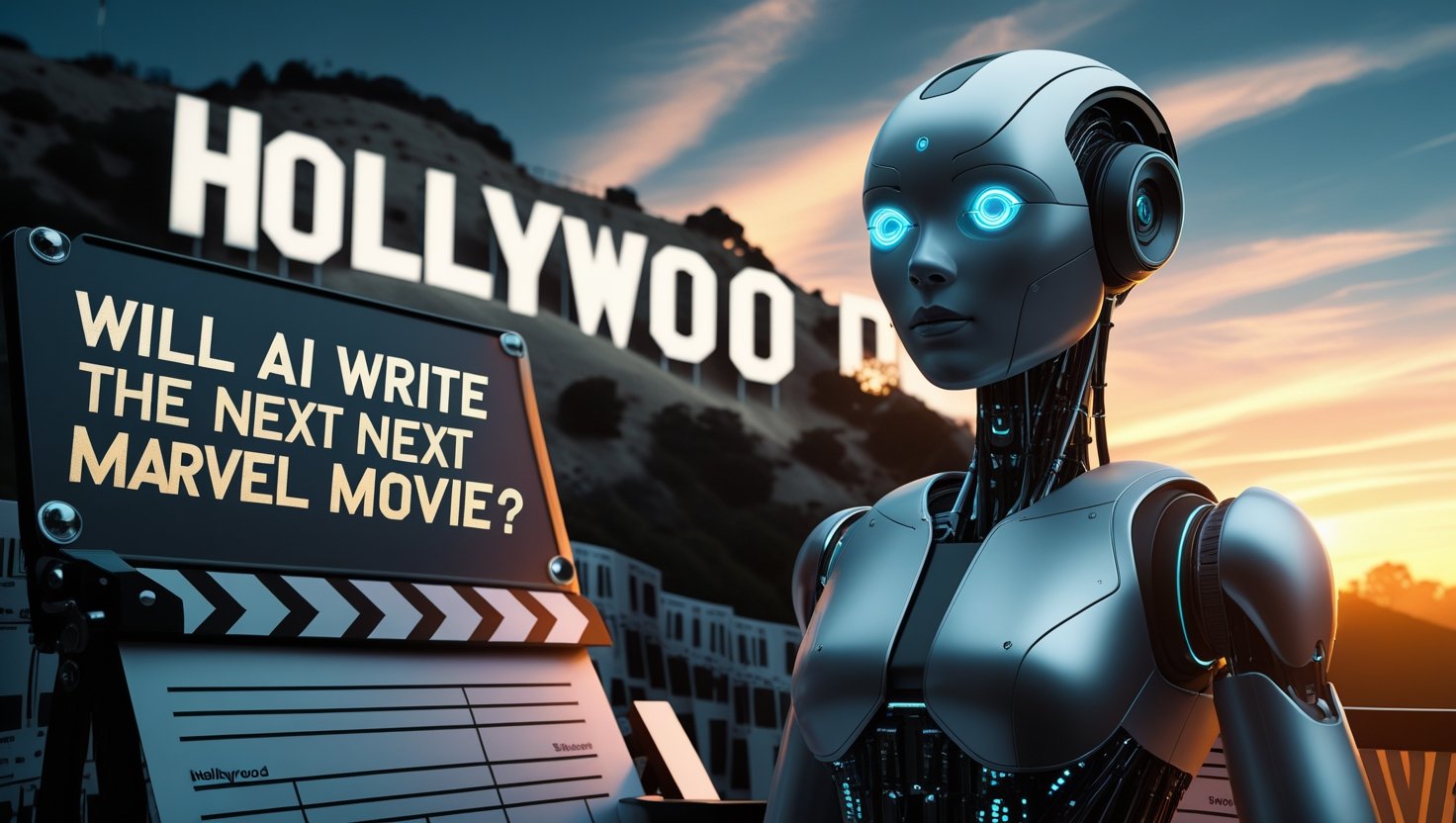
The question remains: will AI write the next Marvel movie? While AI can generate elements of a script, the current consensus among industry professionals is that it still lacks the nuanced understanding of human emotion, cultural context, and true originality required to craft a compelling, character-driven narrative from start to finish. Marvel movies, in particular, rely on intricate interconnected storylines, deep character development over many films, and a very specific tone that blends humor, drama, and spectacle.
An AI might be able to piece together a technically coherent plot based on past Marvel successes, but would it truly capture the idiosyncratic voice of a character like Tony Stark, or craft the emotional weight of a moment like “I am Iron Man”? The human element – the lived experience, the intuitive leap of imagination, the subtle understanding of pathos and comedy – is still paramount for creating stories that truly resonate.
However, the speed of AI development is staggering. What seems impossible today could be commonplace in a few years. As Large Language Models (LLMs) become even more sophisticated and are trained on increasingly vast and diverse datasets, their ability to generate creative and emotionally resonant narratives will undoubtedly improve.
The Ethical Battleground and the Future of Jobs
The rise of AI in Hollywood is not without its controversies. The writers’ and actors’ strikes of 2023 were largely fueled by concerns over job displacement, intellectual property rights, and the ethical use of AI. Unions are pushing for clear regulations to ensure that AI serves as a tool for artists, not a replacement for them.
The fear is that studios, driven by cost-cutting measures, might opt for cheaper AI-generated scripts or digital replicas of actors, thereby eroding human jobs and the value of human creativity. Conversely, proponents argue that AI will free up artists from repetitive, time-consuming tasks, allowing them to focus on higher-level creative endeavors and push the boundaries of storytelling. New roles are emerging for professionals who understand how to effectively prompt and manage AI tools.
A Hybrid Horizon
The most probable future for Hollywood is a hybrid one. AI will undoubtedly continue to integrate into every facet of filmmaking, becoming an increasingly powerful assistant to human creators. Directors like the Russo brothers are actively investing in developing AI tools that empower artists, not sideline them.
The next Marvel movie might not be written by an AI, but it will almost certainly be enhanced by AI, from the initial script brainstorms to the final visual effects. The human touch – the unique vision of a director, the emotional performance of an actor, the nuanced storytelling of a writer – will remain the heart of truly compelling cinema. However, the definition of “human touch” in a world increasingly shaped by AI is a narrative that Hollywood, and indeed all creative industries, will continue to write. The evolution isn’t about human vs. machine, but rather, what incredible stories can be told when humans and intelligent machines collaborate.
Discover more from AIWiredDaily
Subscribe to get the latest posts sent to your email.